
“The design of a book is not a matter of personal choice, but the result of logical thinking and mathematical discipline that seeks the perfect legibility of the content.”
— Jan Tschichold.



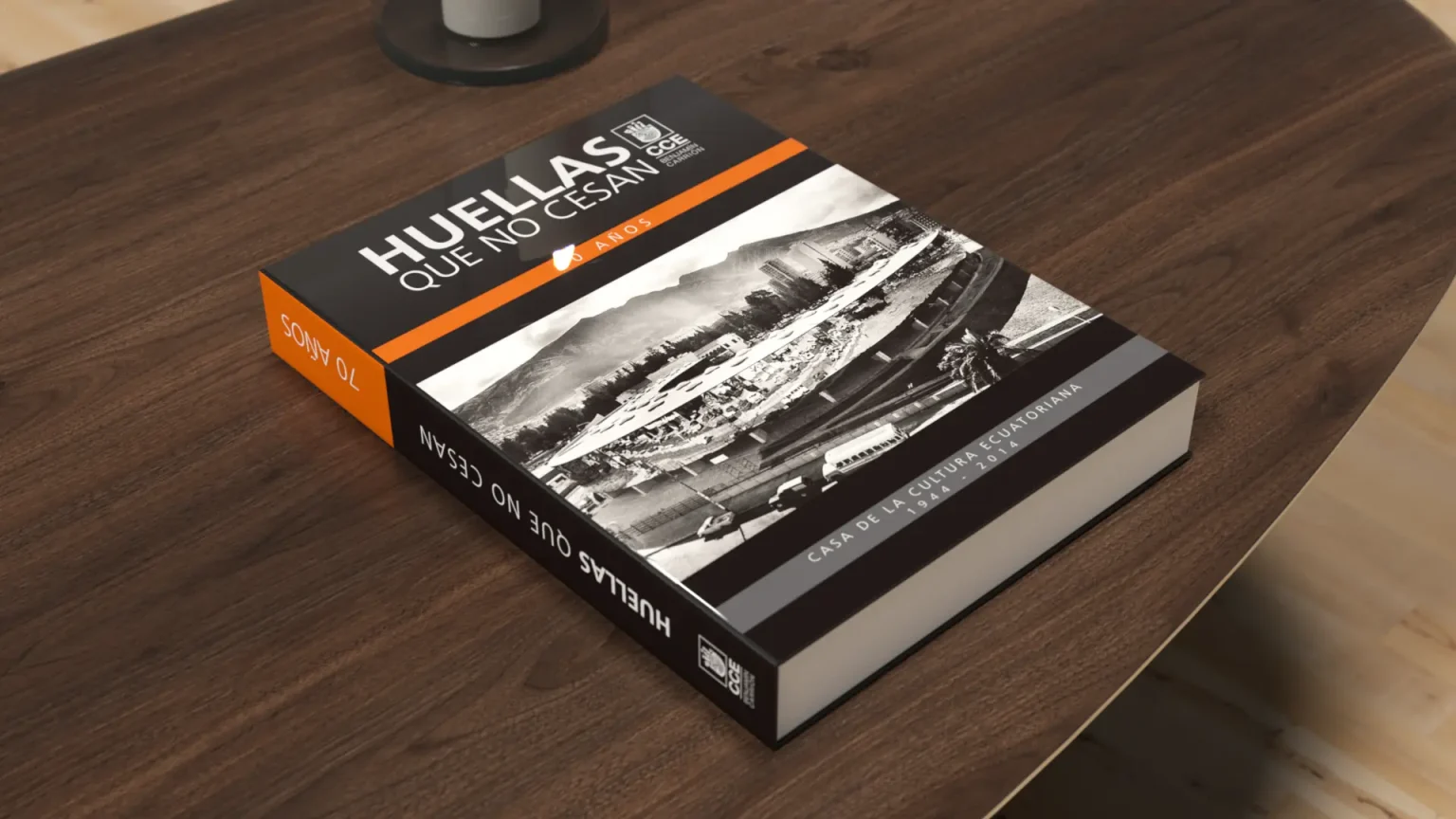
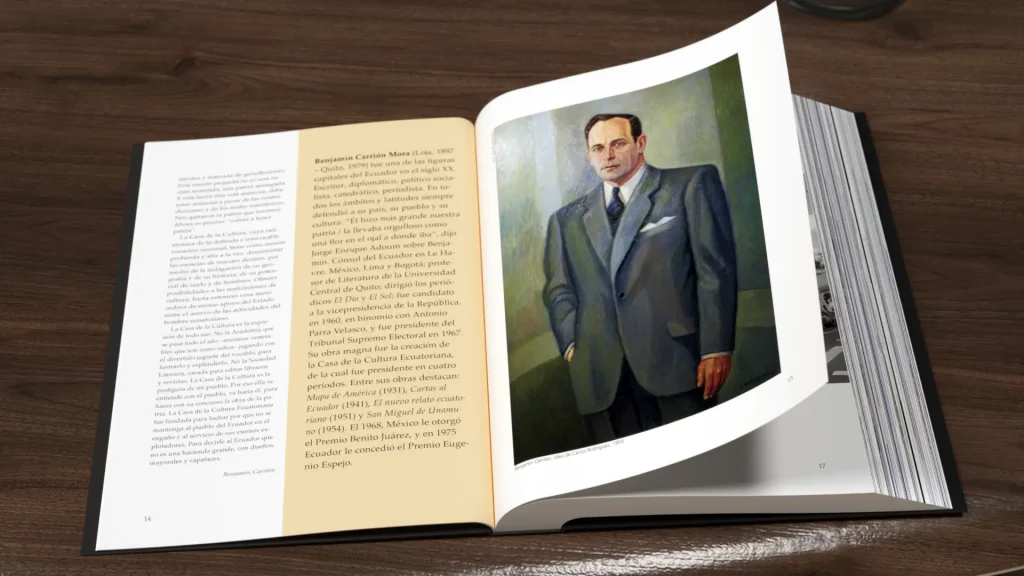
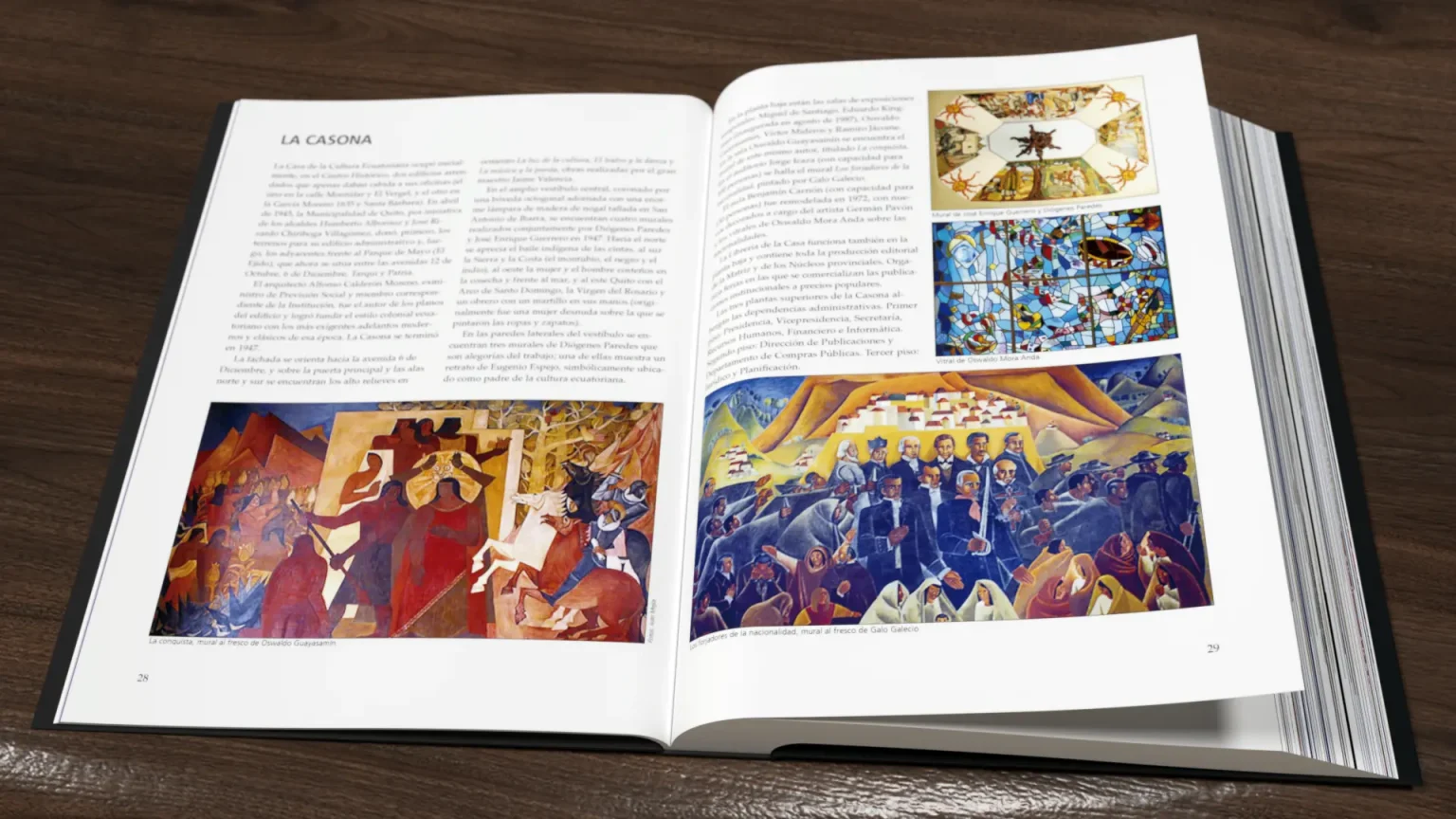
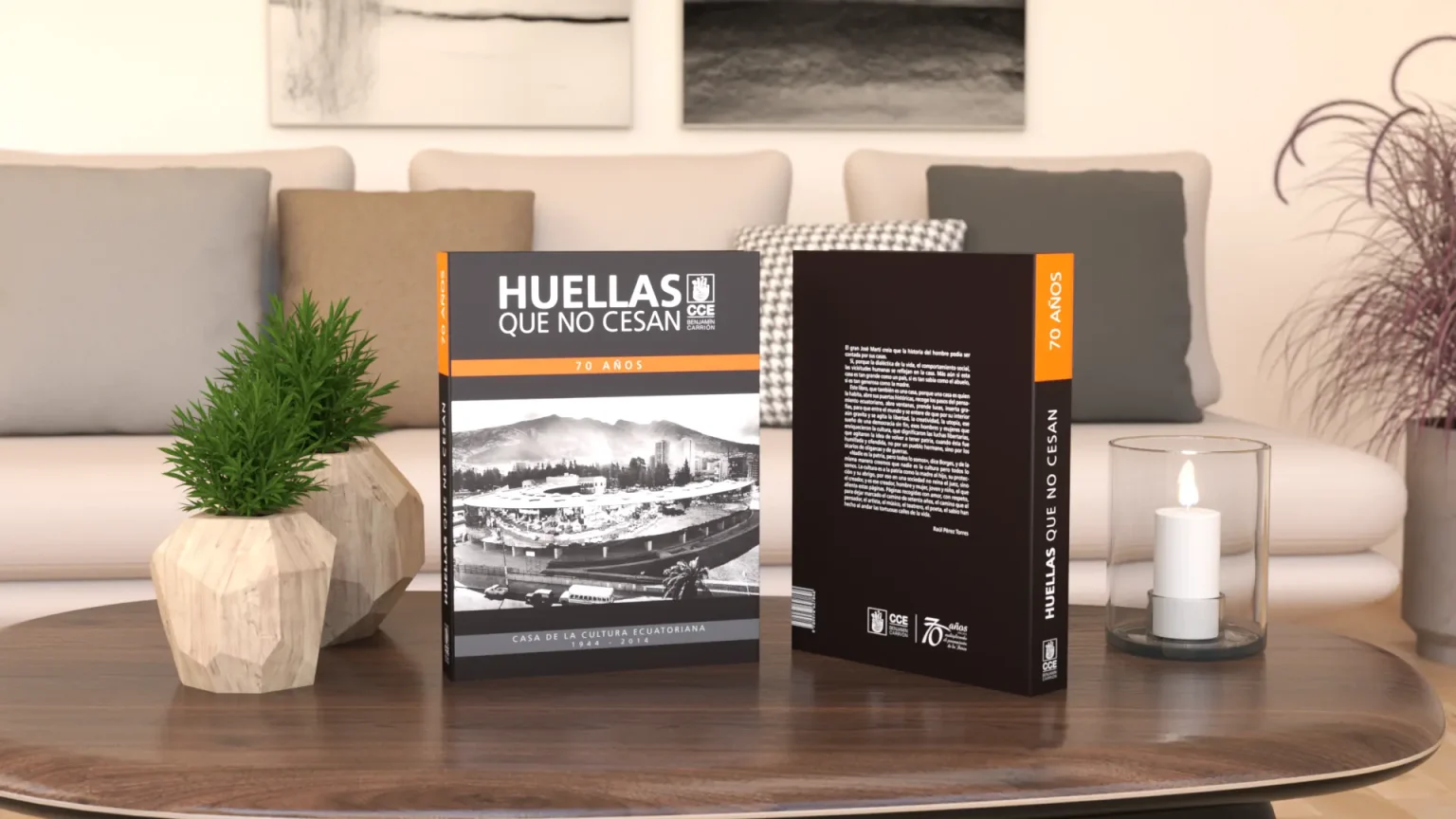
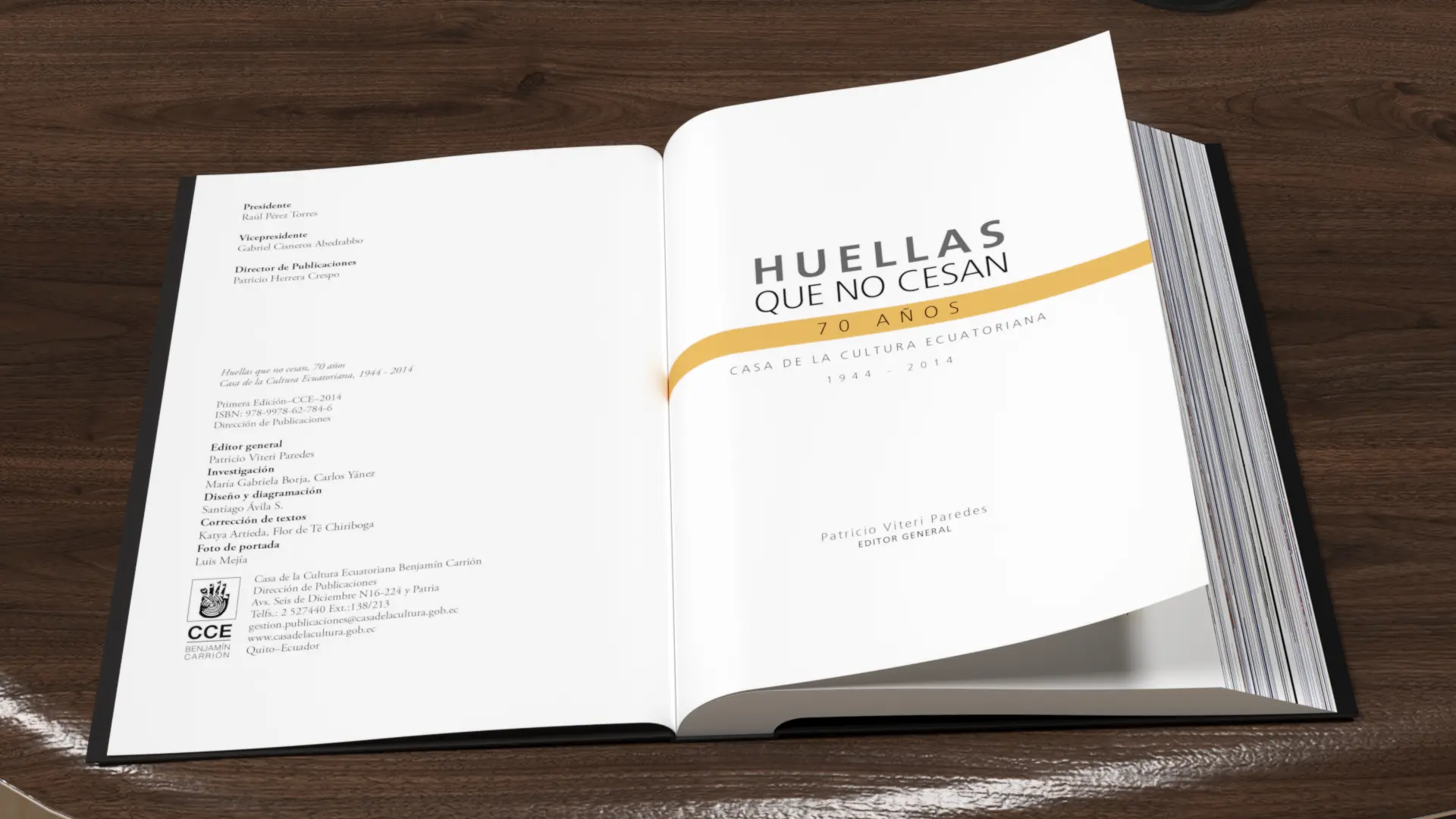
The main challenge consisted of uniquely designing and laying out the commemorative editorial work for the 70th anniversary of the Casa de the Cultura Ecuatoriana. As a high-volume historical book, the design challenge was not purely aesthetic, but of pure information architecture and technical art direction.
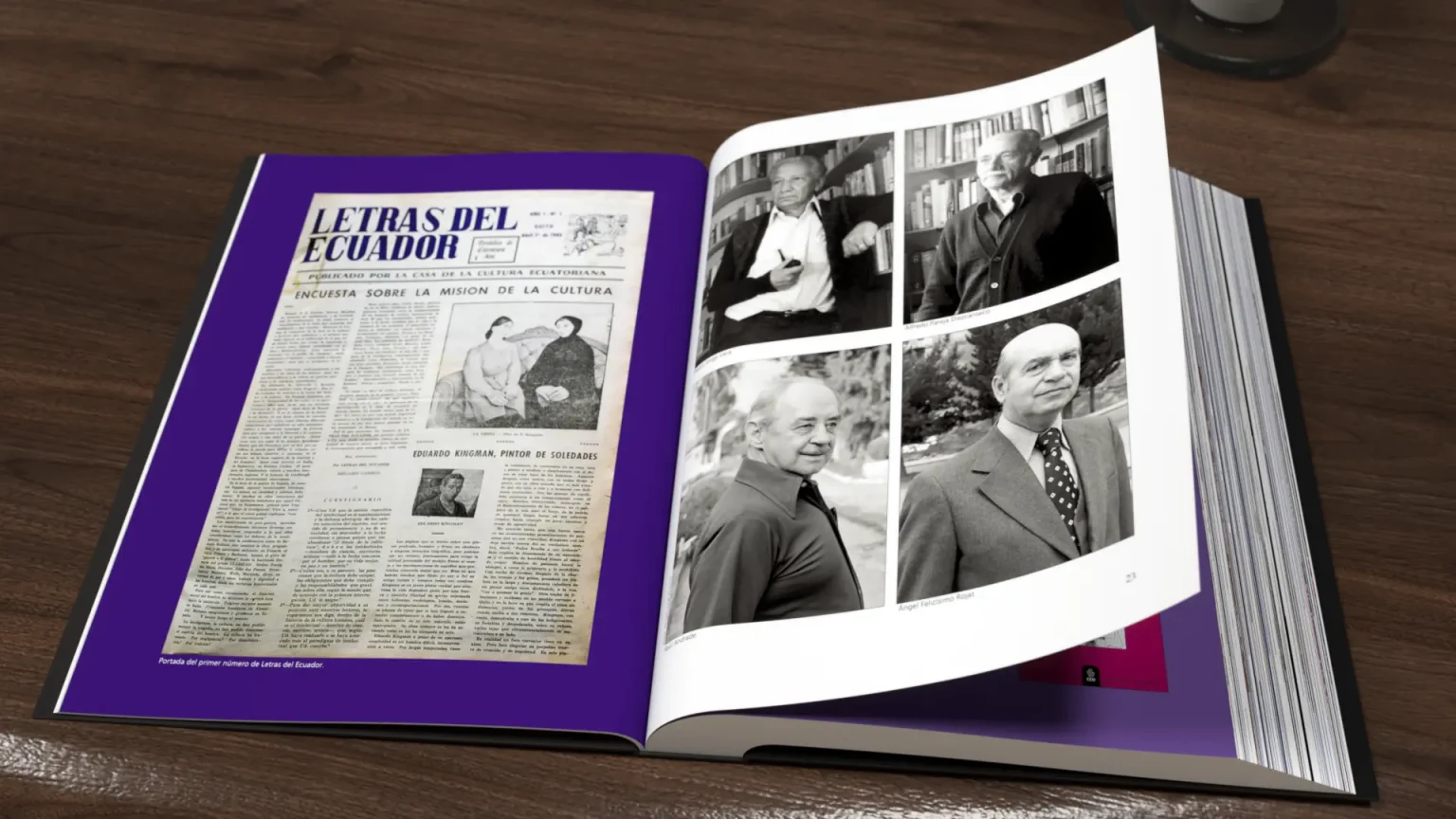
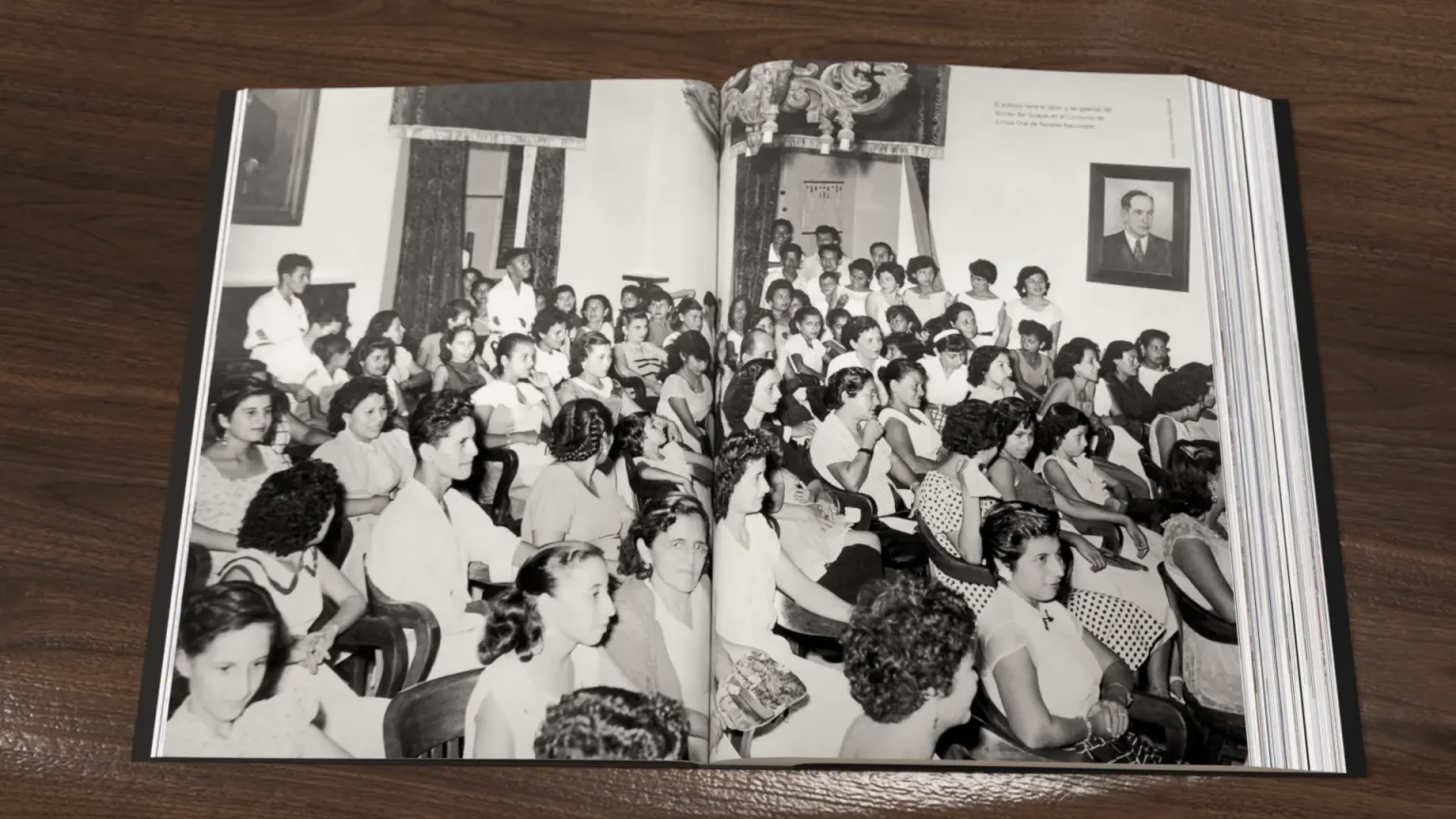
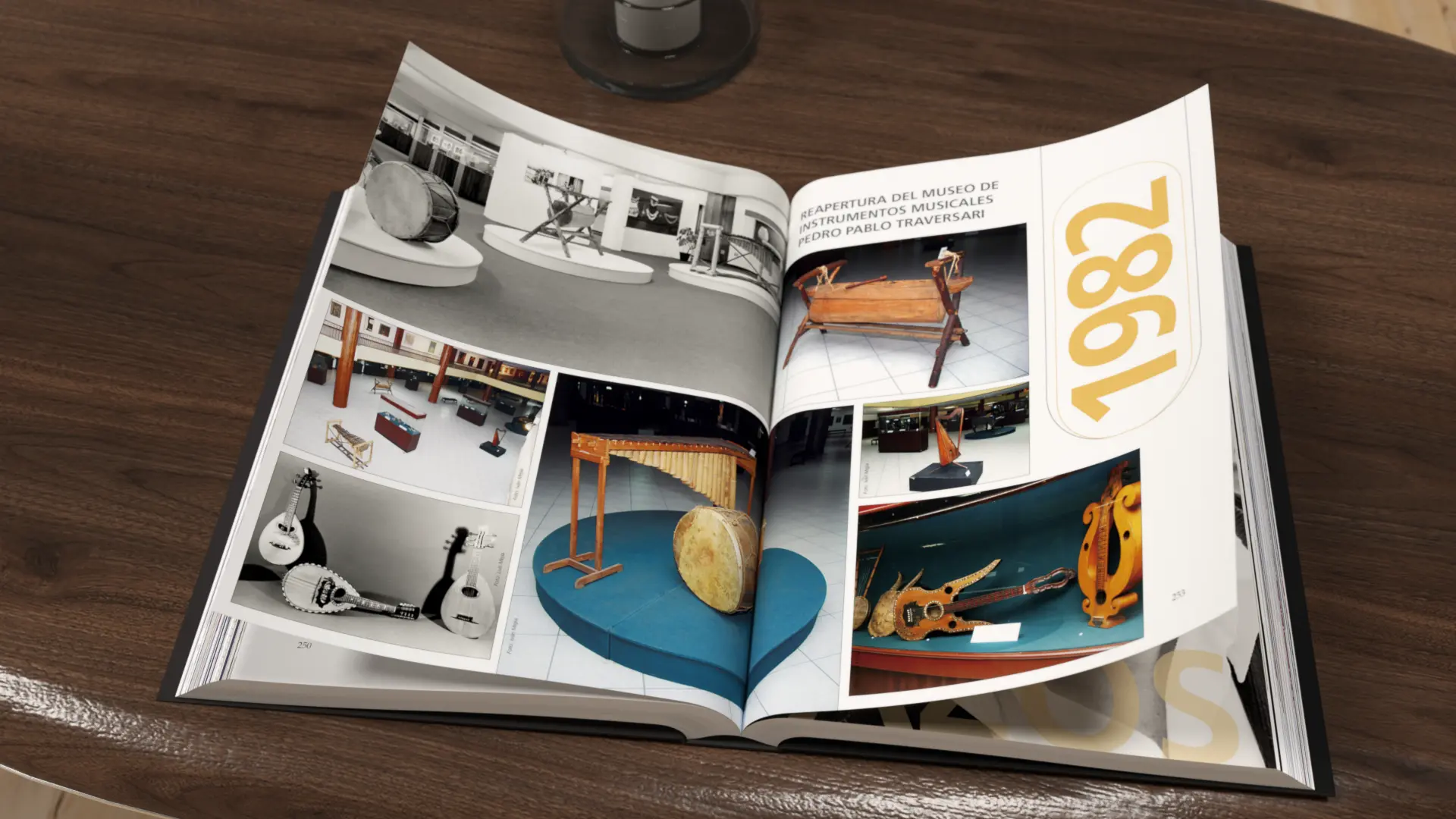
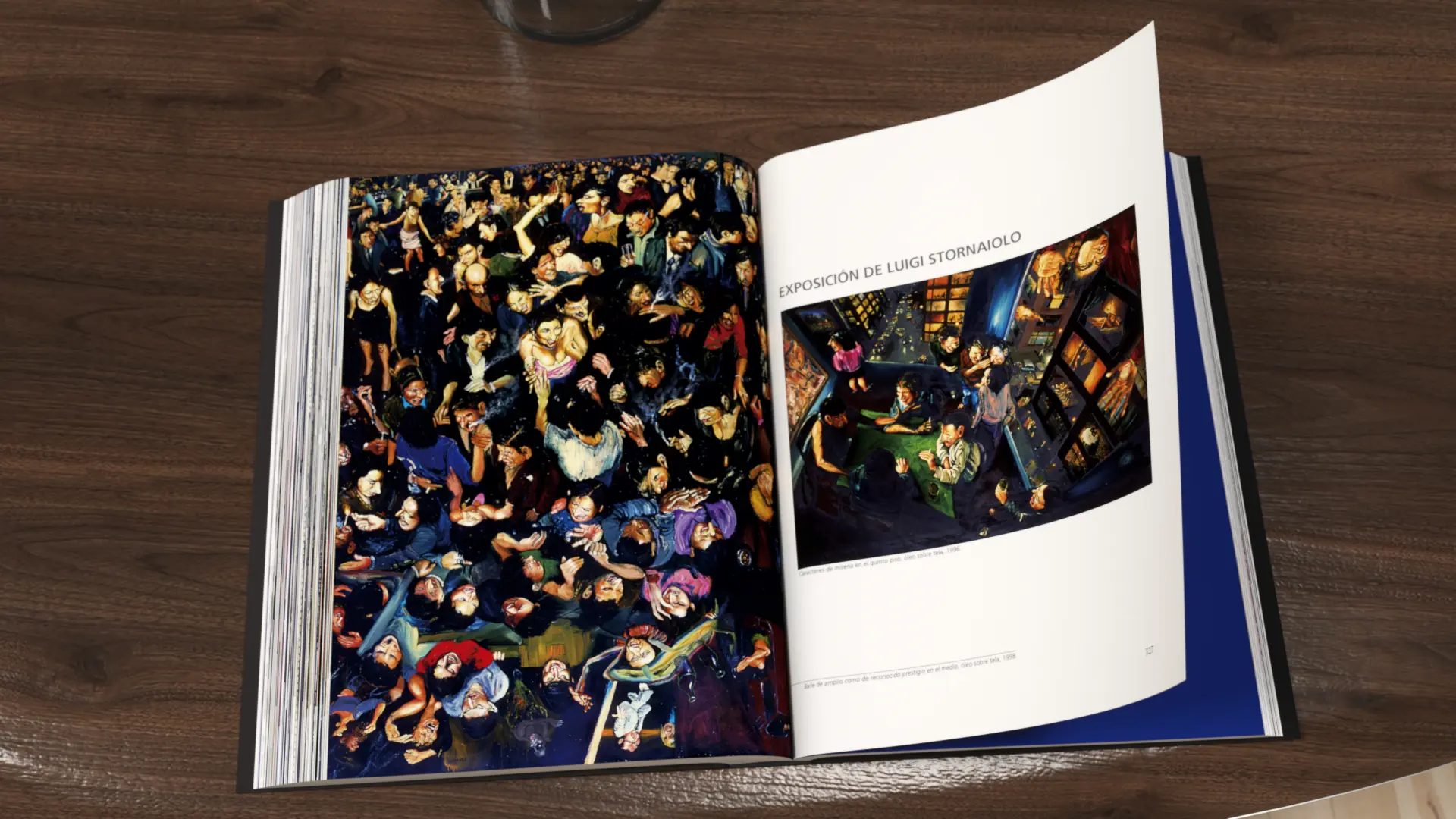
The archive material presented critical complexities: an immense amount of institutional texts and an archive of historical photographs collected over decades which, in their majority, were in low resolution and poor quality. The graphic challenge consisted of visually unifying totally different eras (from 1944 to 2014) and structuring an imposing physical format that could support the density of the content without losing dynamism, elegance, or legibility.
“The design of a book is not a matter of personal choice, but the result of logical thinking and mathematical discipline that seeks the perfect legibility of the content.”
— Jan Tschichold.
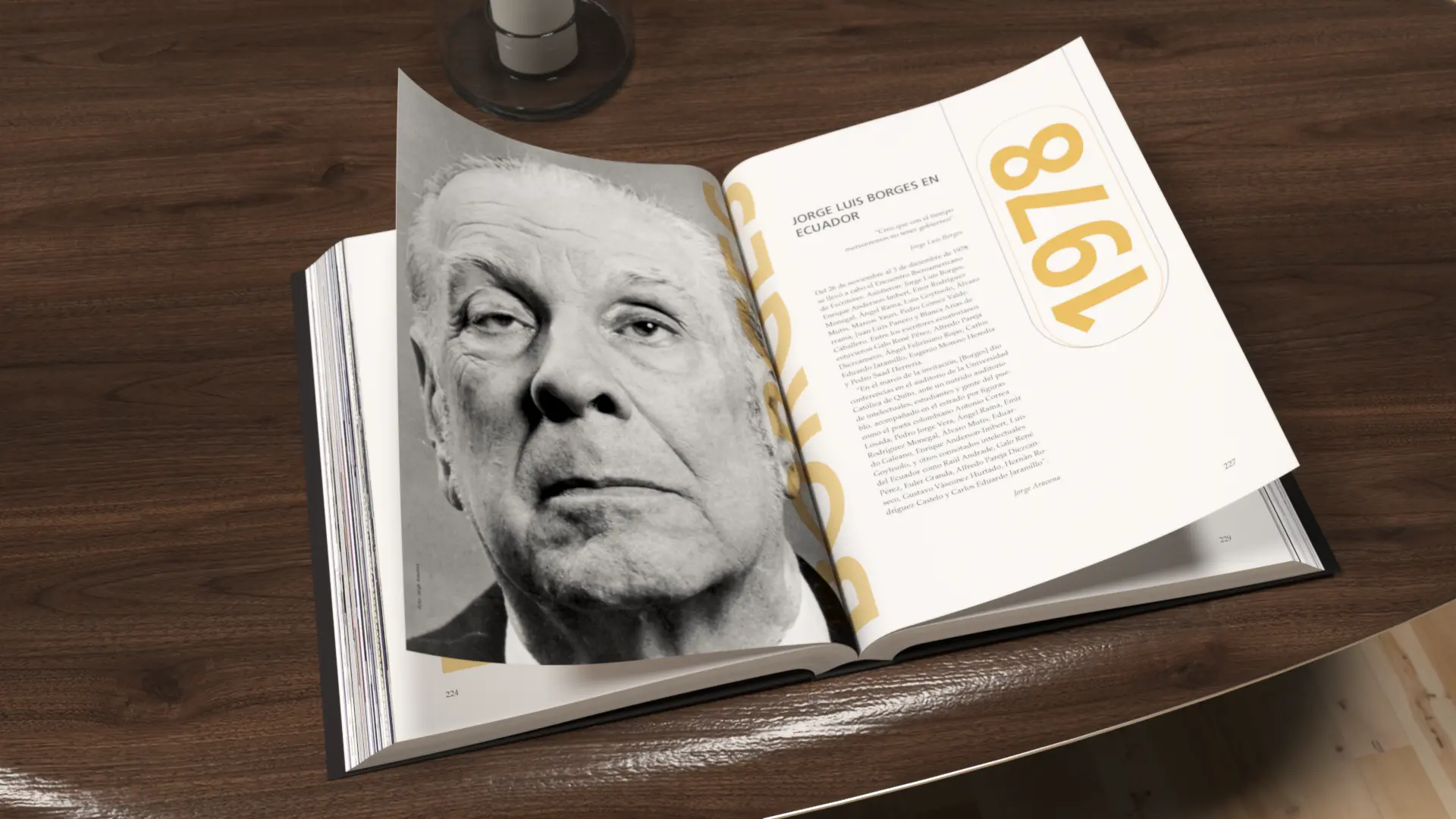
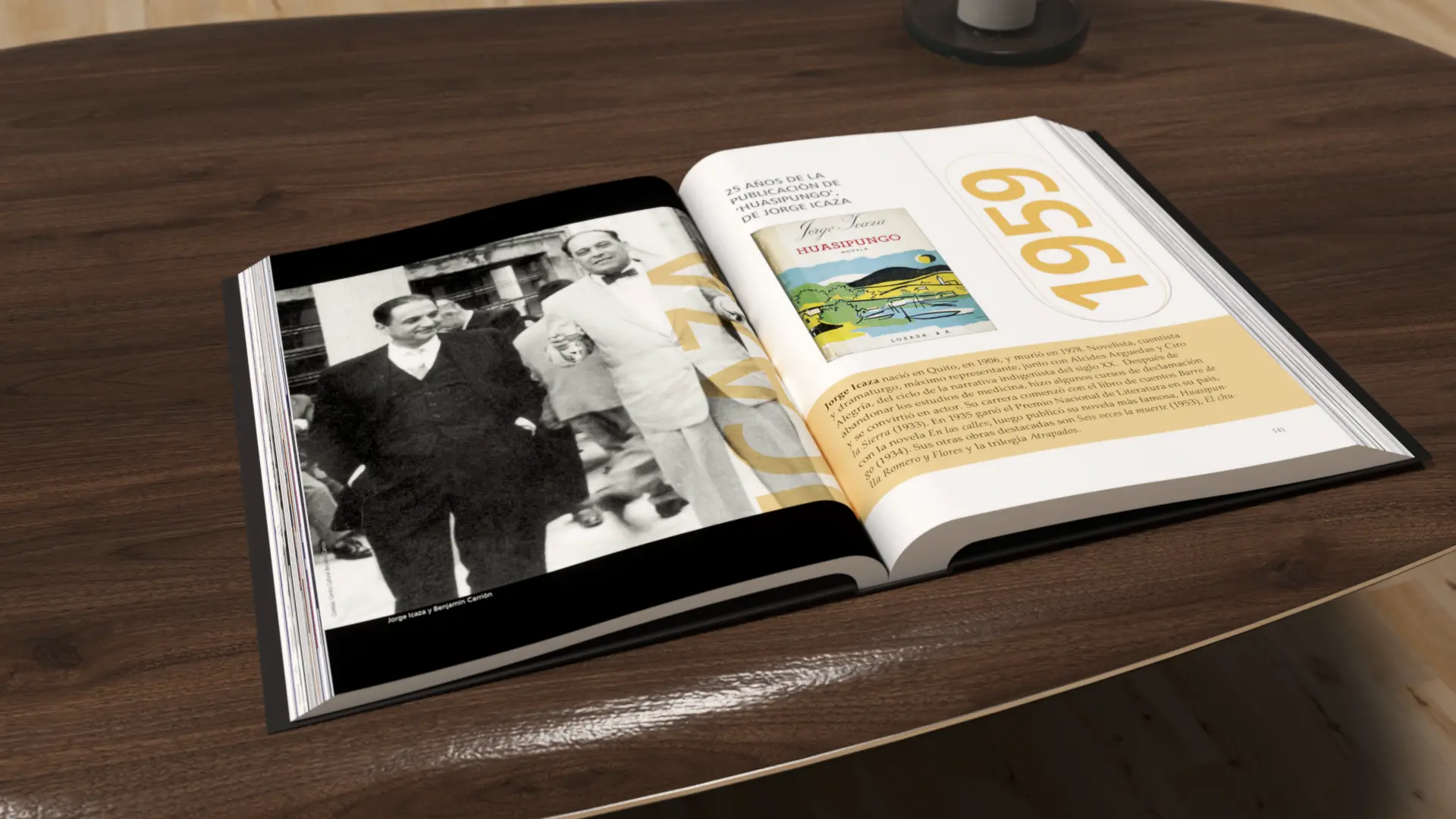
To solve the photographic archive issue, I performed a meticulous high-end prepress and digital retouching technical intervention, scaling, restoring, and improving the contrast of historical images to guarantee optimal and sharp reproduction in physical printing systems.
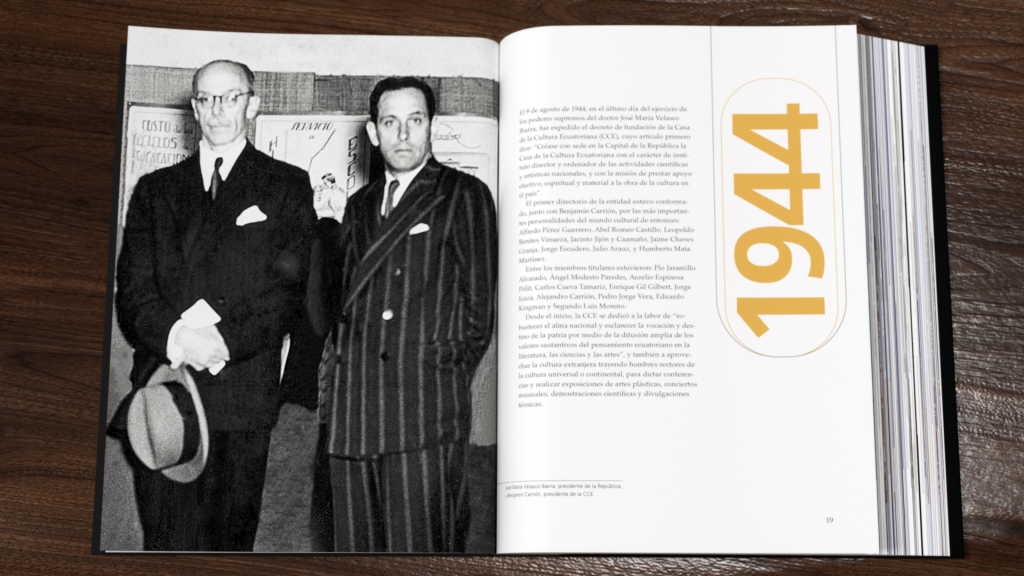
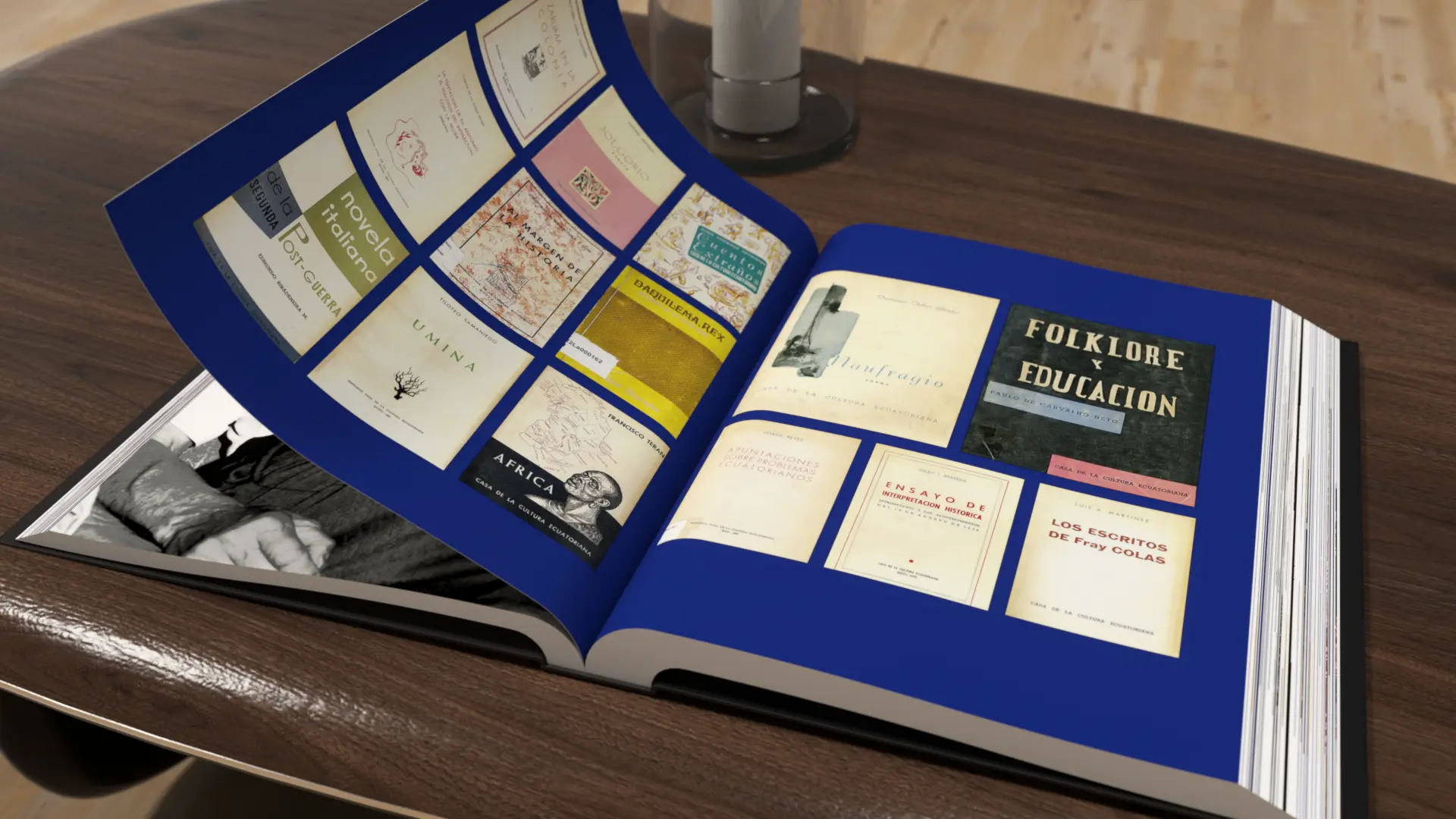
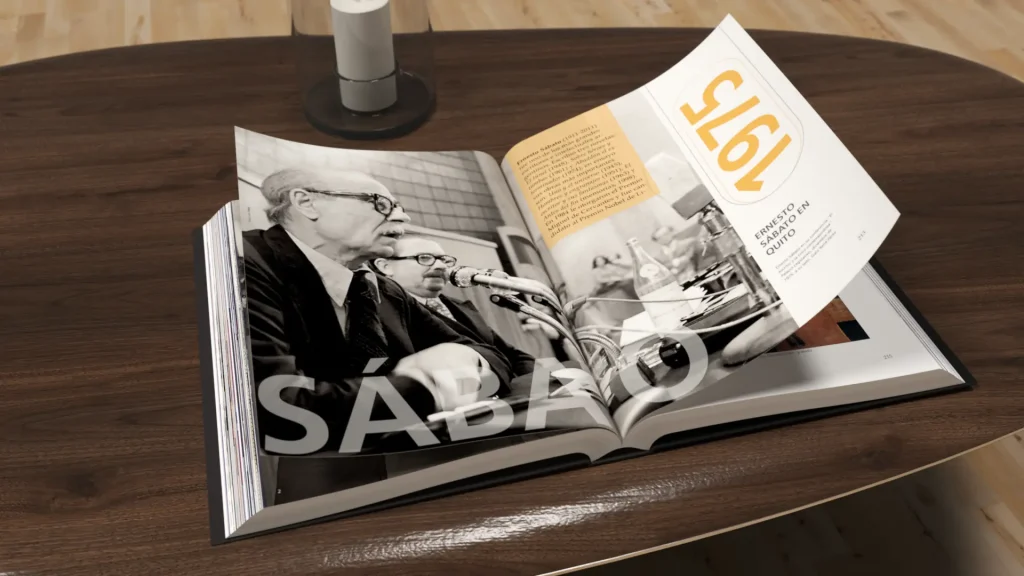
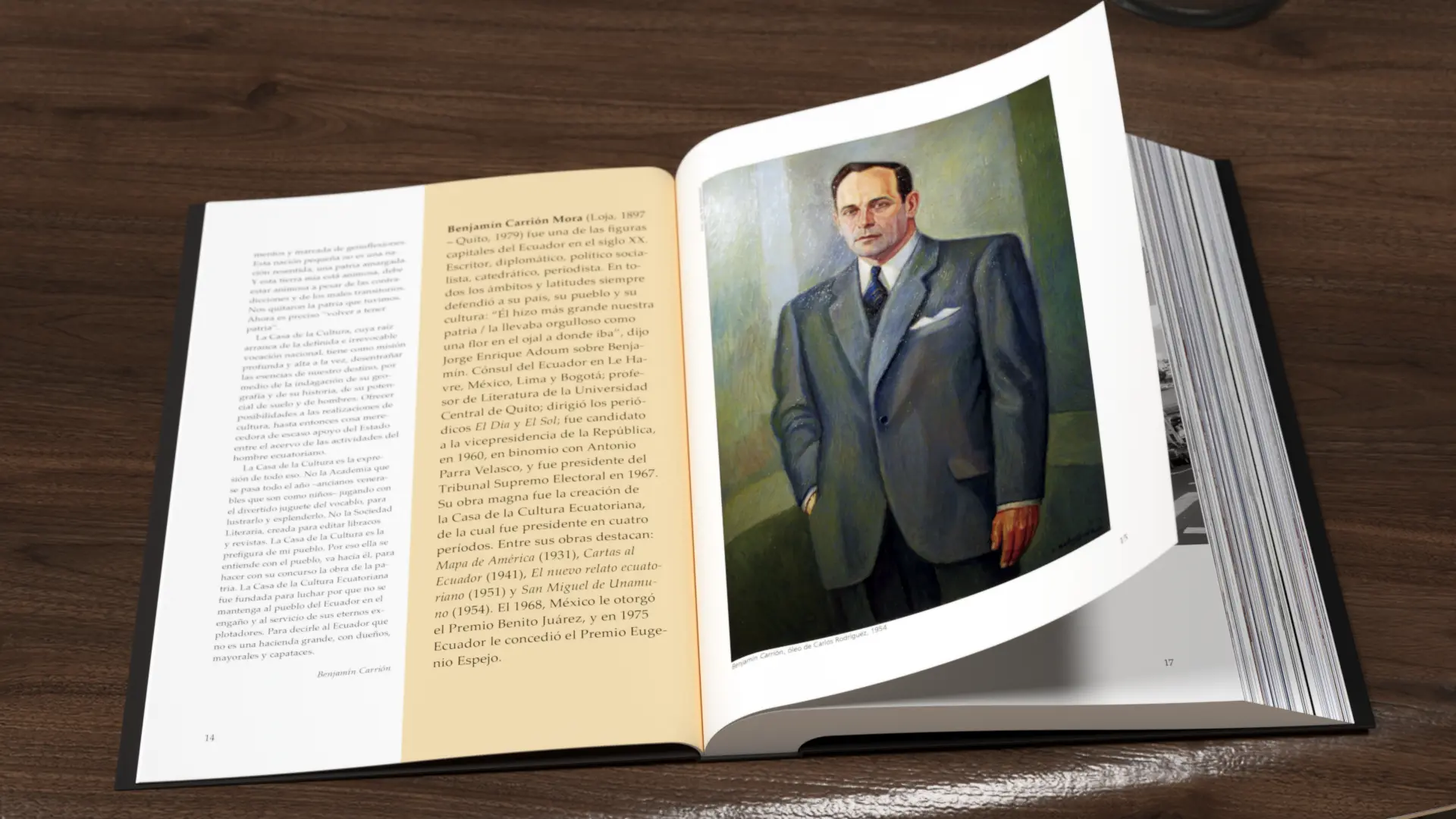
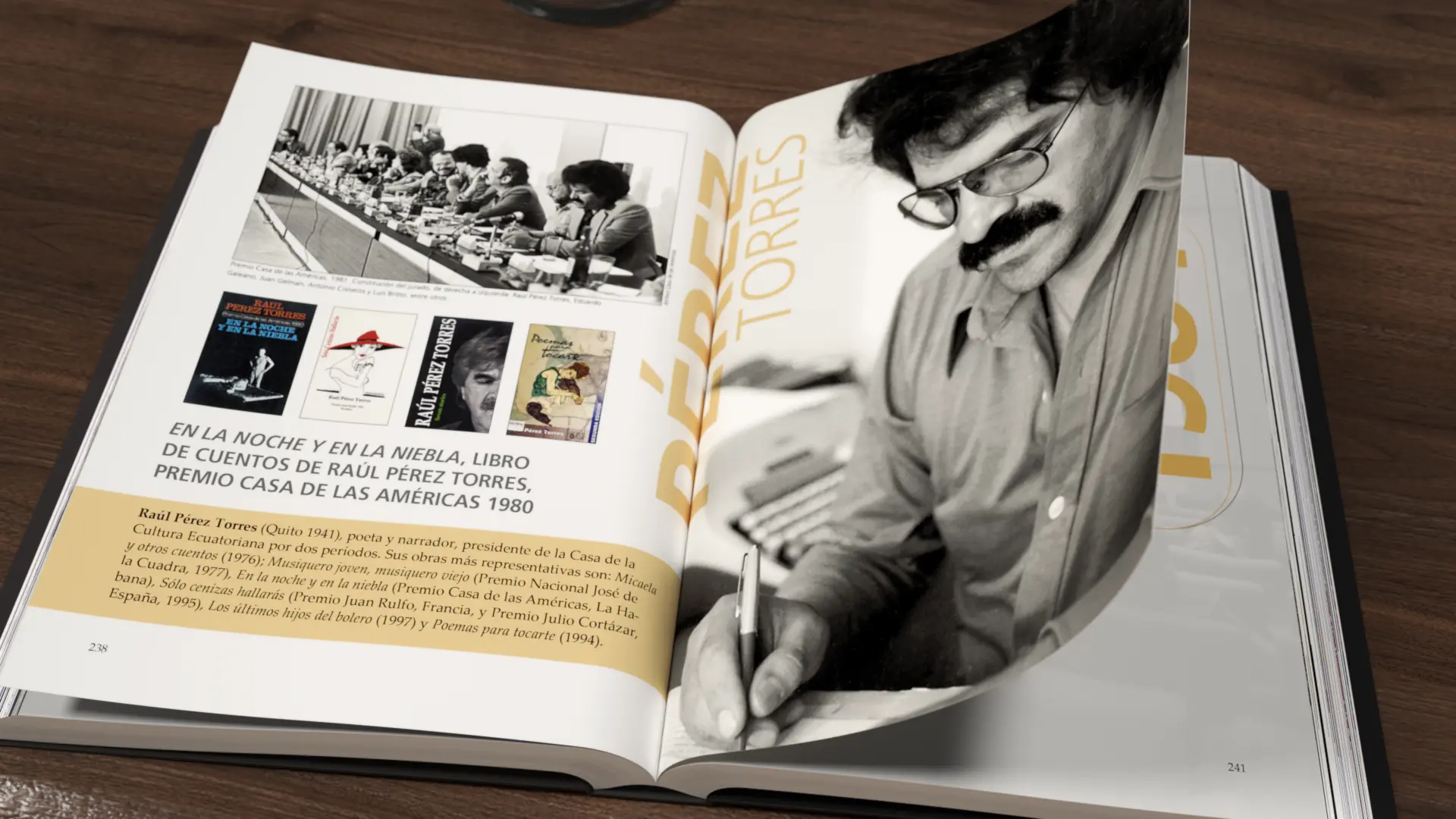
At the layout level, I designed a system of dynamic constructive grids adapted to the different chronological sections of the work. As shown in the interior sample, I used color blocking through a historical ocre/golden tone to highlight annual milestones enclosed in geometric typographic structures, breaking text density and generating a fluid and stimulating visual rhythm for the reader.
The selection of materials and production engineering was planned to convey solemnity and sophistication:
“The grid system is an attempt to order space in a logical and coherent way, allowing visual information to be transmitted with maximum clarity and technical rigor.”
— Josef Müller-Brockmann.